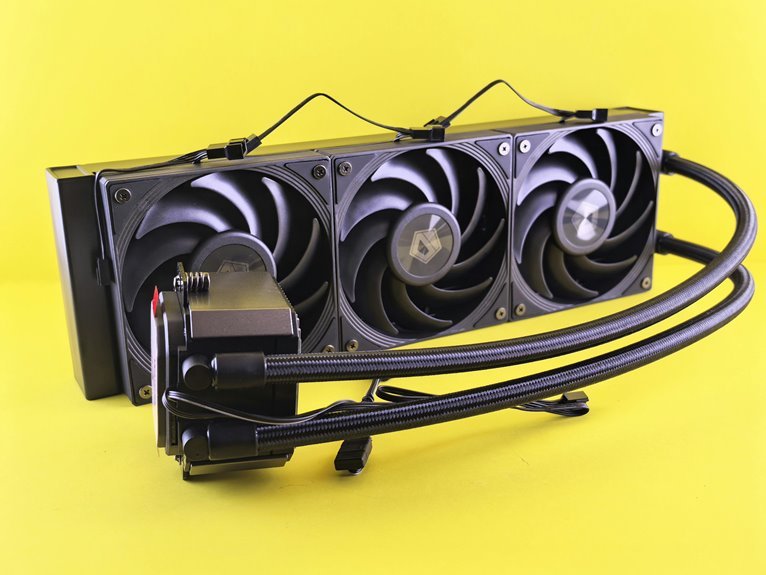
Modern Technology Stack 961591866 Optimization

The optimization of the modern technology stack, particularly 961591866, requires a methodical examination of its components. Each element, from programming languages to cloud services, plays a critical role in performance and scalability. By prioritizing API compatibility and system interoperability, organizations can enhance operational effectiveness. However, understanding the metrics that gauge success remains pivotal. This discussion will explore key strategies and practices that could reshape how businesses approach their technology investments.
Understanding the Components of the Modern Technology Stack
The modern technology stack serves as the backbone of contemporary software development, comprising a carefully curated array of tools and frameworks.
Central to this stack are programming languages that facilitate various applications, while cloud services provide scalable infrastructures.
This synergy enables developers to innovate freely, leveraging diverse technologies to create efficient solutions that meet the demands of a dynamic digital landscape.
Key Strategies for Optimizing Performance and Efficiency
Optimizing performance and efficiency within the modern technology stack requires a multifaceted approach that addresses both software and hardware components.
Implementing a scalable architecture allows for dynamic resource allocation, enabling systems to adapt to varying workloads.
Additionally, leveraging automation tools for monitoring and fine-tuning resources enhances operational effectiveness, ensuring that organizations maximize their technological investments while maintaining agility and responsiveness to changing demands.
Best Practices for Ensuring Seamless Integration Across Applications
Although seamless integration across applications is often viewed as a technical challenge, it fundamentally hinges on adopting best practices that promote interoperability and cohesion.
Ensuring API compatibility is essential, as it fosters communication between disparate systems.
Furthermore, implementing robust data synchronization techniques guarantees that information remains consistent across platforms, thereby enhancing efficiency and enabling organizations to leverage their technology stack with greater freedom and flexibility.
Measuring Success: Metrics and Tools for Tech Stack Optimization
Successful integration across applications sets a strong foundation for evaluating the effectiveness of a technology stack.
Identifying success indicators, such as performance metrics and user satisfaction, is crucial. Utilizing advanced tracking tools enables organizations to monitor these indicators effectively, facilitating data-driven decisions.
This structured approach empowers teams to optimize their technology stack, fostering innovation while ensuring alignment with their overarching goals for growth and efficiency.
Conclusion
In conclusion, optimizing the modern technology stack, akin to fine-tuning a complex symphony, requires a harmonious blend of components and strategies. By prioritizing performance, ensuring seamless integration, and continuously measuring success, organizations can create a resilient framework that adapts to the fast-paced digital environment. Embracing innovation and automation will not only align technology investments with business objectives but also empower organizations to thrive amidst evolving challenges and opportunities.